Introduction
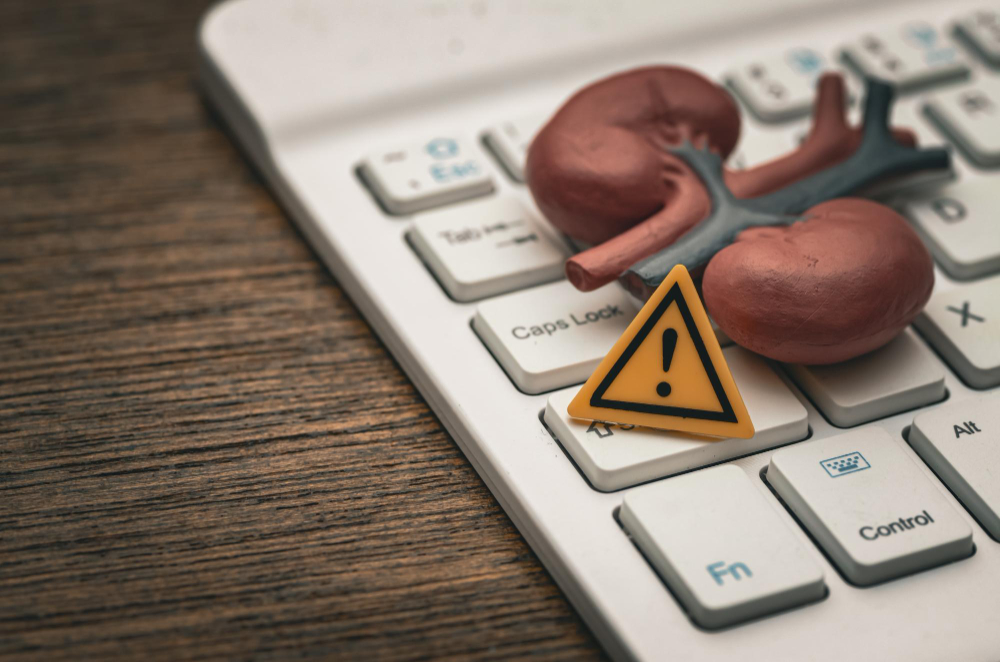
Kidney disease is a serious health problem that affects millions of people worldwide. Your kidneys play a key role in removing waste and extra fluid from your body. However, many people do not notice the early warning signs of kidney disease. Because early detection can help prevent serious problems, it is important to know what to look for. In this blog, you will learn about the early signs of kidney disease, why they matter, and how to keep your kidneys healthy.
What Is Kidney Disease?
Kidney disease means your kidneys are not working as well as they should. Usually, kidneys filter waste and balance fluids in your body. When they are damaged, waste builds up and can make you sick. According to the CDC, about 1 in 7 adults in the United States has chronic kidney disease. But many people do not know they have it. Because symptoms often appear late, understanding kidney disease is important for everyone.
Why Early Detection Matters
Early detection of kidney disease can make a big difference. When you catch it early, you can slow down or even stop further damage. On the other hand, ignoring early signs can lead to kidney failure or other health problems. For example, untreated kidney disease can cause heart disease, high blood pressure, and nerve damage. Therefore, knowing the early signs and acting quickly can help protect your health.
Early Warning Signs of Kidney Disease
Many early signs of kidney disease are easy to miss. However, paying attention to your body can help you spot problems sooner. Here are some common early warning signs:
Because these symptoms can be caused by other problems, it is important to talk to a doctor if you notice any of them.
When to See a Doctor
If you notice any early signs of kidney disease, do not wait. Make an appointment with your healthcare provider. Especially if you have risk factors like diabetes, high blood pressure, or a family history of kidney problems, regular check-ups are important. Early testing can find kidney disease before it gets worse. In addition, your doctor can suggest steps to protect your kidneys.
Prevention and Lifestyle Tips
Taking care of your kidneys is easier than you might think. Here are some simple tips to keep your kidneys healthy:
By following these kidney health tips, you can lower your risk of kidney disease and stay healthy longer.
Conclusion
In summary, kidney disease can be silent at first, but early warning signs are important. Because early action can protect your health, do not ignore symptoms like swelling, tiredness, or changes in urination. If you notice any early warning signs of kidney disease, consult Dr. Sid Sabha for personalized advice.