
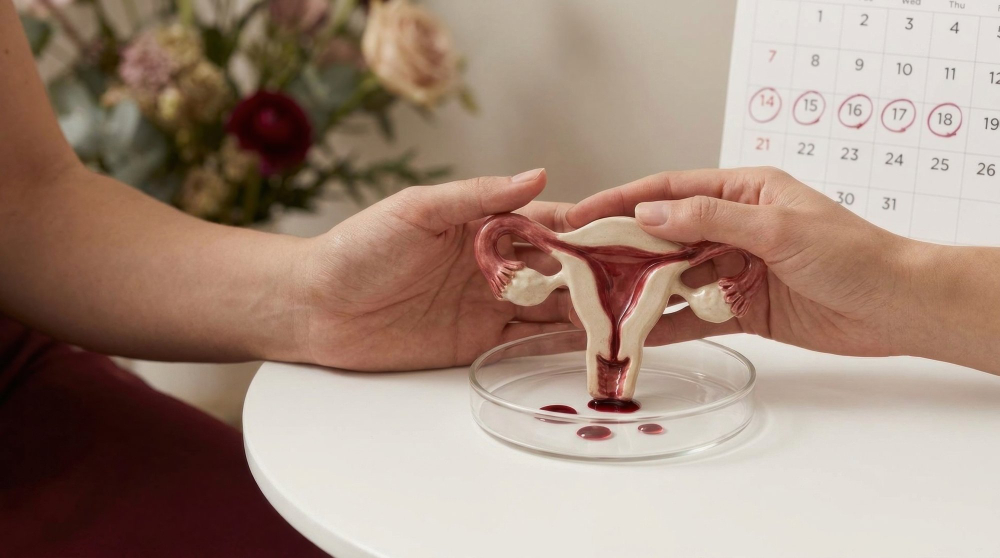
What Is Abnormal Uterine Bleeding in Children and Teens?
Abnormal uterine bleeding means periods that are heavier, last longer, or happen at odd times. In children and teens, this can be worrying for both parents and caregivers. Usually, periods start between ages 9 and 16. However, some girls may notice changes in flow or timing. Abnormal uterine bleeding in children and teens can include spotting between periods, very heavy bleeding, or periods that last more than seven days. Although some changes are normal in the first years, it is important to know when to seek help.
Common Symptoms of Heavy or Irregular Periods
Recognizing abnormal uterine bleeding early can help prevent health problems. For example, some signs may be easy to spot. Look for these symptoms:
Sometimes, girls may miss school or activities because of heavy or irregular periods. If you notice these signs, it may be time to talk to a doctor.
Possible Causes of Abnormal Uterine Bleeding in the Pediatric Population
Many factors can cause abnormal uterine bleeding in children and teens. For instance, the first few years after periods begin are often irregular. This happens because the body is still learning to balance hormones. Still, other causes can include:
Because some causes need medical care, it is important to watch for ongoing or severe symptoms.
How Is Abnormal Uterine Bleeding Diagnosed?
Doctors use several steps to find the cause of abnormal uterine bleeding. First, they ask about period history and symptoms. Next, they may do a physical exam. Sometimes, blood tests check for anemia, hormone levels, or bleeding problems. In some cases, an ultrasound looks at the uterus and ovaries. If symptoms are severe or last a long time, doctors may suggest more tests. If your child has very heavy periods, feels faint, or has bleeding between periods, it is best to see a doctor soon.
Treatment Options and Management Strategies
Treatment depends on the cause and how severe the bleeding is. Often, doctors start with simple steps. For mild cases, tracking periods and using iron-rich foods may help. If periods are very heavy, doctors may suggest:
In rare cases, surgery may be needed for growths or other problems. However, most children and teens improve with medicine and support.
Lifestyle Tips and Guidance for Families
Families can help children manage abnormal uterine bleeding in many ways. For example, keeping a period diary helps track changes and symptoms. Eating iron-rich foods, such as lean meats, beans, and leafy greens, can prevent anemia. Also, remind your child to drink plenty of water and rest during heavy periods. If your child feels embarrassed, talk openly and offer support. Sometimes, using pads instead of tampons may feel safer for younger girls. If your child misses school or activities, let teachers know about the health issue.
Prevention and Monitoring Advice
While not all cases can be prevented, some steps may lower the risk of problems. For instance, encourage a healthy diet and regular exercise. Help your child manage stress and get enough sleep. If your child has a known bleeding disorder or other health problem, follow the doctor’s advice closely. Always watch for new or worsening symptoms. If periods suddenly become much heavier or irregular, seek medical help. Regular check-ups can help spot issues early and keep your child healthy.
Conclusion
If your child is having heavy or irregular periods, Sid Sabha is here to help. Schedule a consultation today to get answers and support for your family.