
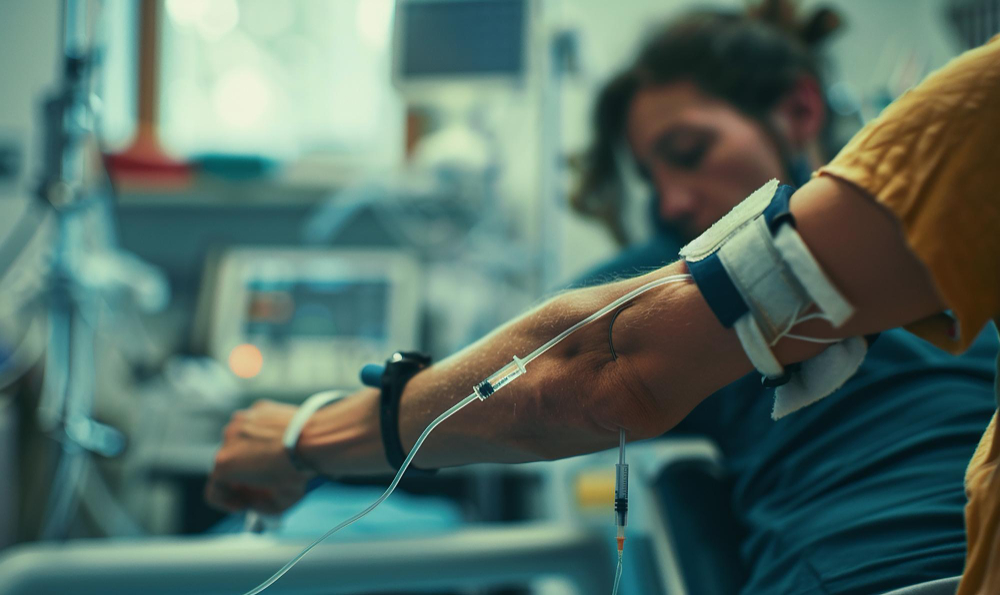
What Is an AV Fistula?
An AV fistula for dialysis is a special connection made by a surgeon. It links an artery and a vein in your arm. Usually, this is done before you start dialysis. Because this connection is strong, it helps your blood flow better during treatment. Doctors often choose an AV fistula because it lasts longer than other access types.
Why Is an AV Fistula Important for Dialysis?
For people with kidney failure, dialysis removes waste from the blood. However, regular veins are too weak for this process. An AV fistula creates a strong blood flow, making dialysis safer and more effective. In fact, the Centers for Disease Control and Prevention (CDC) recommends AV fistulas as the best option for long-term dialysis access. Not only does it lower infection risk, but it also reduces clotting compared to other methods.
Preparing the Arm Before Dialysis Begins
Before dialysis starts, you need to get your arm ready for an AV fistula. Early preparation helps your fistula work well when you need it. For example, your doctor may ask you to avoid blood draws or blood pressure checks on that arm. By following these steps, you help protect your veins and improve your dialysis experience.
Steps to Protect the Arm Before Surgery
To keep your veins healthy before AV fistula surgery, try these tips:
By protecting your arm, you help your surgeon create a strong fistula. This can make your dialysis treatments easier and safer.
What to Expect During AV Fistula Creation
During the procedure, a surgeon connects an artery and a vein in your arm. Usually, this surgery takes about one to two hours. You will get local anesthesia, so you stay awake but feel no pain in the area. After surgery, you can often go home the same day. However, your doctor will give you special instructions for care.
Caring for the Arm After Surgery
After your AV fistula is created, proper care is important. For example, you should:
Because healing takes time, your fistula may need several weeks to mature. Your care team will check your progress at each visit.
Signs of Complications to Watch For
Sometimes, problems can happen after AV fistula surgery. Early action helps prevent serious issues. Watch for these signs:
If you notice any of these symptoms, contact your doctor right away. Quick care can protect your fistula and your health.
Tips for Maintaining a Healthy AV Fistula
Once your AV fistula is ready, daily care keeps it working well. For best results:
With good care, your AV fistula can last for many years. This helps make your dialysis safer and more comfortable.