What Is Dialysis?
Dialysis is a medical treatment that helps your body remove waste and extra fluid. Normally, your kidneys do this job. However, when kidneys fail, dialysis steps in. In fact, it acts as an artificial kidney. Because of this, many people with kidney failure rely on dialysis to stay healthy.
When Is Dialysis Needed?
Doctors recommend dialysis when your kidneys can no longer filter blood well enough. Usually, this happens in advanced kidney disease. For example, if you have symptoms like swelling, tiredness, or trouble breathing, your doctor may check your kidney function. If tests show your kidneys are working at less than 10-15%, dialysis may be needed. Sometimes, sudden kidney injury can also lead to dialysis. Therefore, it is important to watch for warning signs and see your doctor regularly.
How Does Dialysis Help?
Dialysis helps by cleaning your blood and removing extra water. As a result, it keeps your body in balance. It also helps control blood pressure and keeps minerals like potassium and sodium at safe levels. Without dialysis, waste can build up and cause serious health problems. So, dialysis for kidney failure is often life-saving.
Types of Dialysis
There are two main types of dialysis treatment. Each works in a different way:
What to Expect During Dialysis
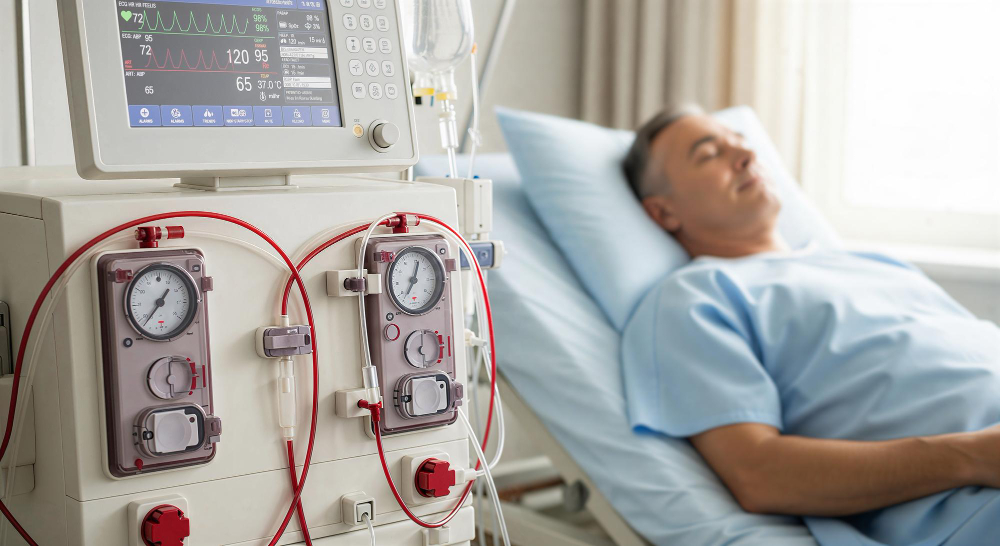
During hemodialysis, you will sit or lie down while your blood is cleaned. Each session takes about three to five hours. Because the process is gentle, you may read, watch TV, or rest. For peritoneal dialysis, you or a caregiver will fill and drain the fluid several times a day. Although it may seem complex at first, nurses will teach you each step. Over time, most people adjust to the routine.
Benefits and Risks
Dialysis offers many benefits, but there are also risks. Here are some key points:
However, most side effects can be managed with your healthcare team’s help. According to the CDC, regular check-ups lower the risk of complications.
Lifestyle Tips for Patients on Dialysis
Living with dialysis means making some changes. Yet, many people lead full lives. Here are some tips:
Because every person is different, your care team will guide you on what works best for you.
Prevention and Early Detection of Kidney Disease
Although dialysis helps many, preventing kidney disease is even better. Early detection can delay or avoid the need for dialysis. To protect your kidneys:
According to the National Kidney Foundation, early action can make a big difference.
Conclusion and Next Steps
Dialysis is a vital treatment for people with kidney failure. It helps remove waste, balance fluids, and improve quality of life. While there are risks, most people adjust well with support. If you or a loved one may need dialysis, talk to a nephrologist. For the best care, consult Dr. Sid Sabha for personalized advice.