
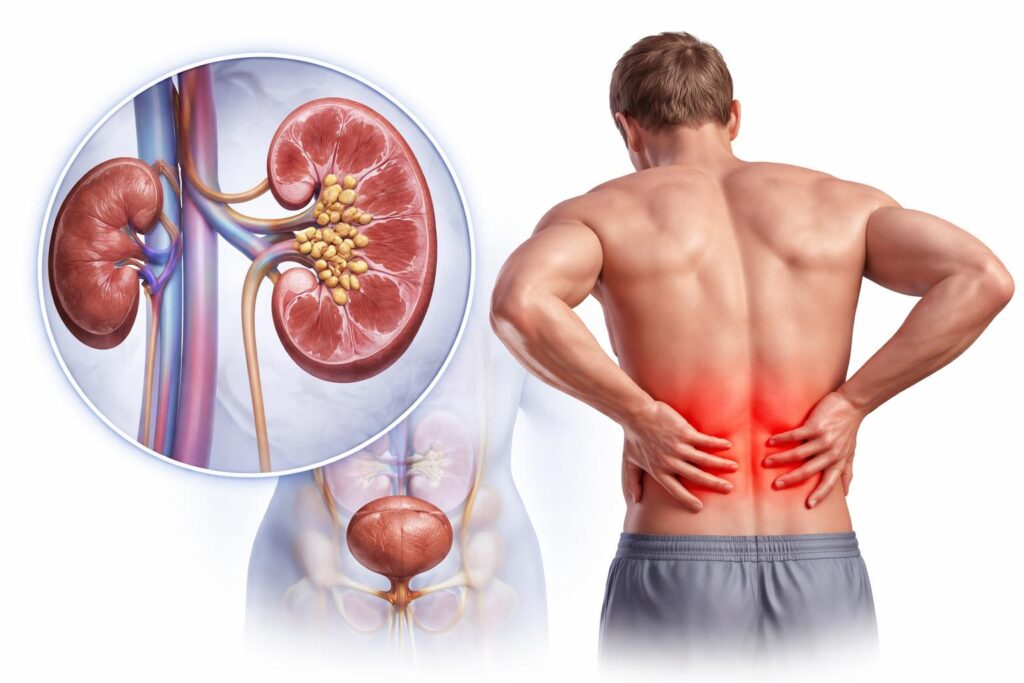
What Are Kidney Stones?
Kidney stones are hard deposits that form inside your kidneys. They are made of minerals and salts. Often, these stones can cause pain when they move through the urinary tract. Many people wonder how to prevent kidney stones, as they can be very uncomfortable. Kidney stones affect both men and women, but they are more common in men. According to the National Kidney Foundation, about one in ten people will have a kidney stone at some point.
Causes of Kidney Stones
There are several reasons why kidney stones form. Sometimes, not drinking enough water can lead to stones. Other times, your diet or family history may play a role. For example, eating too much salt or sugar can increase your risk. In addition, certain medical conditions can also cause stones to develop.
Symptoms of Kidney Stones
Kidney stone symptoms can vary. Some people may not feel anything until the stone moves. However, when symptoms appear, they can be very painful. It is important to know the signs so you can seek help quickly.
Diagnosis of Kidney Stones
If you have symptoms, your doctor will want to find out if you have kidney stones. First, they may ask about your symptoms and medical history. Next, they may order tests to confirm the diagnosis. These tests help your doctor see the size and location of the stone.
Early diagnosis can help prevent complications. Therefore, it is important to see a doctor if you notice symptoms.
Treatment Options for Kidney Stones
Treatment for kidney stones depends on the size and type of stone. Sometimes, small stones pass on their own. In other cases, you may need medical help. Your doctor will suggest the best treatment for you.
Always follow your doctor’s advice for the safest and most effective treatment.
Prevention Tips for Kidney Stones
Preventing kidney stones is possible for many people. Simple lifestyle changes can lower your risk. For example, staying hydrated is one of the best ways to prevent kidney stones, especially in hot weather. Here are some helpful tips:
Because everyone is different, your doctor may suggest other steps based on your health.
When to See a Doctor
Sometimes, kidney stones can cause serious problems. You should see a doctor if you have:
Early treatment can help prevent complications. Therefore, do not wait if you notice these signs.
In summary, kidney stones can be painful but are treatable. Prevention is possible with simple steps. Consult Dr. Sabha for personalized advice on kidney stones.