What is Dyslipidemia?
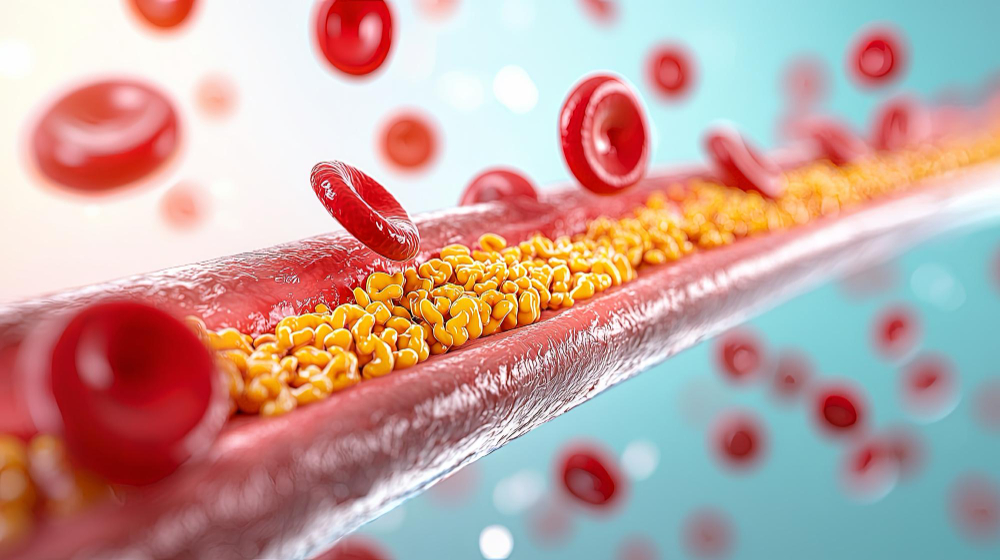
Dyslipidemia is a health condition where blood has too much or too little fat. These fats, called lipids, include cholesterol and triglycerides. When these levels are not balanced, the risk of heart disease can rise. For example, high cholesterol can block blood vessels. According to the World Health Organization (WHO), dyslipidemia is a common problem worldwide. Many people do not know they have it because it often causes no early symptoms. However, early detection is important for good health.
Common Symptoms of Dyslipidemia
Most people with dyslipidemia do not notice any symptoms at first. Still, some signs may appear if the condition becomes severe. For instance, blocked blood vessels can cause chest pain or leg pain. In rare cases, you might see yellow bumps on the skin, called xanthomas. These bumps are made of fat deposits. Sometimes, people learn about dyslipidemia only after a heart attack or stroke. Because symptoms are often silent, regular blood tests are important.
Causes and Risk Factors
Several things can lead to dyslipidemia. Some causes are related to lifestyle, while others are genetic. For example, eating foods high in saturated fat can raise cholesterol. In addition, lack of exercise may increase risk. Other risk factors include:
Sometimes, dyslipidemia runs in families. This is called familial dyslipidemia. Even so, healthy habits can help lower risk for many people.
How Dyslipidemia is Diagnosed
Doctors diagnose dyslipidemia with a simple blood test. This test is called a lipid panel. It measures different types of fats in your blood. For example, it checks total cholesterol, LDL (bad cholesterol), HDL (good cholesterol), and triglycerides. Before the test, you may need to fast for several hours. Afterward, your doctor will explain the results. If your levels are too high or too low, you may need treatment. Regular testing is important, especially if you have risk factors.
Treatment Options for Dyslipidemia
Treating dyslipidemia often starts with lifestyle changes. However, some people may also need medicine. Doctors may suggest:
For some, medicine is needed to lower cholesterol or triglycerides. The Centers for Disease Control and Prevention (CDC) notes that following your doctor’s advice helps reduce health risks.
Lifestyle Changes and Prevention Tips
Making healthy choices every day can help prevent dyslipidemia. For instance, you can:
Even small changes can make a big difference over time. If you have a family history of dyslipidemia, regular check-ups are important. Early action helps keep your heart and blood vessels healthy, consult Dr. Sid Sabha.